Chinese glove puppetry, also known as “Budaixi” (布袋戲) in Mandarin, is a traditional form of puppet theater. Originating in China, this art form combines intricate puppetry techniques, storytelling, music, and performance to bring characters to life on stage.
Puppetry is believed to have taken root during the Tang Dynasty, but its popularity later flourished during the Song Dynasty. It grew as a popular form of entertainment among the aristocracy and common people, with performances taking place in marketplaces, temples, and theaters nationwide. Puppeteers would travel from village to village, captivating audiences with their skillful manipulation of the intricately crafted puppets and engaging storytelling.
The roots of Chinese glove puppetry can be traced back to the ancient art of shadow puppetry, which utilized translucent figures cast against a screen to tell stories and entertain audiences. As this art form developed, puppeteers began experimenting with different techniques and materials, eventually creating the handheld puppets that characterize Chinese glove puppetry today.
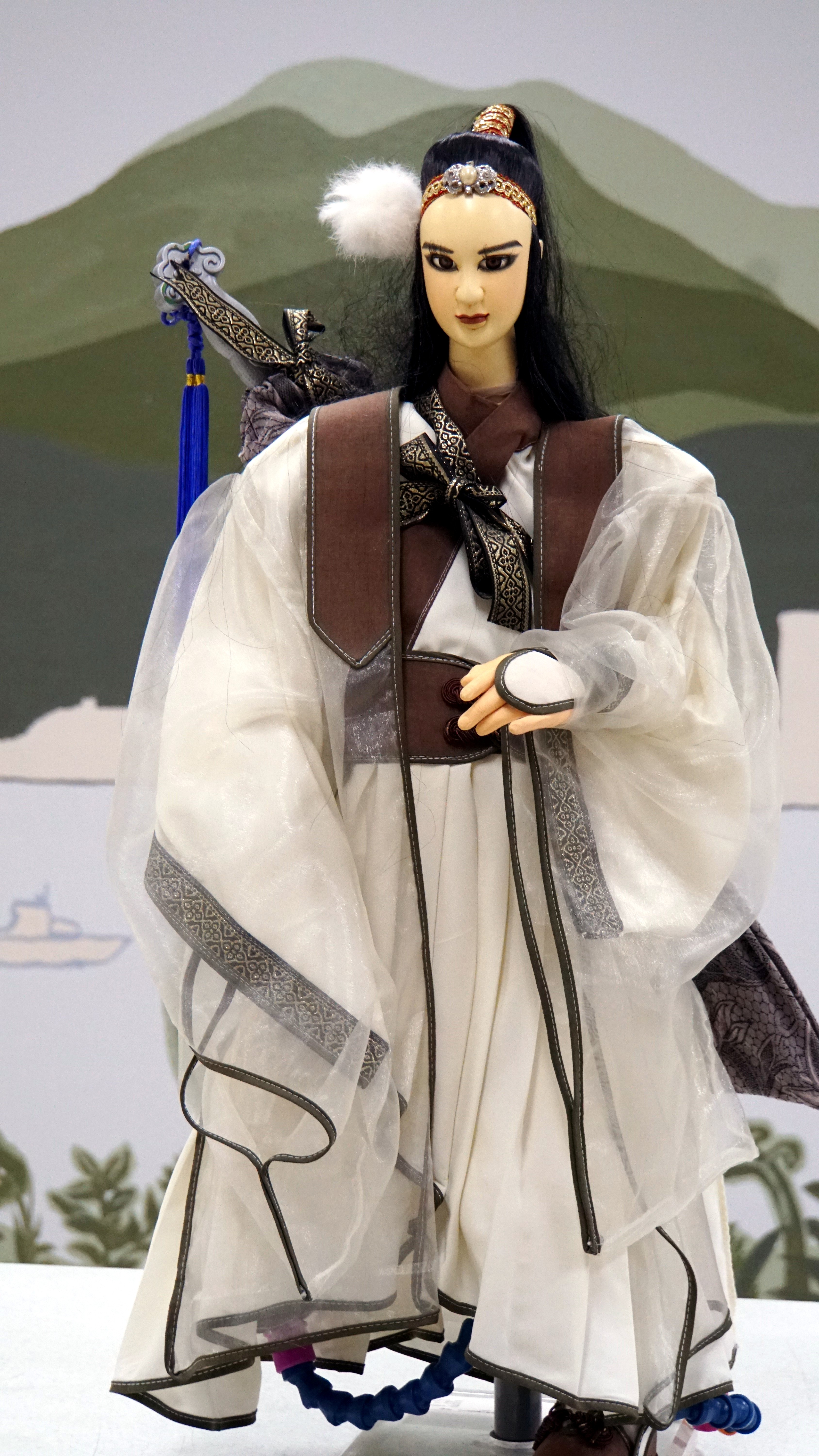
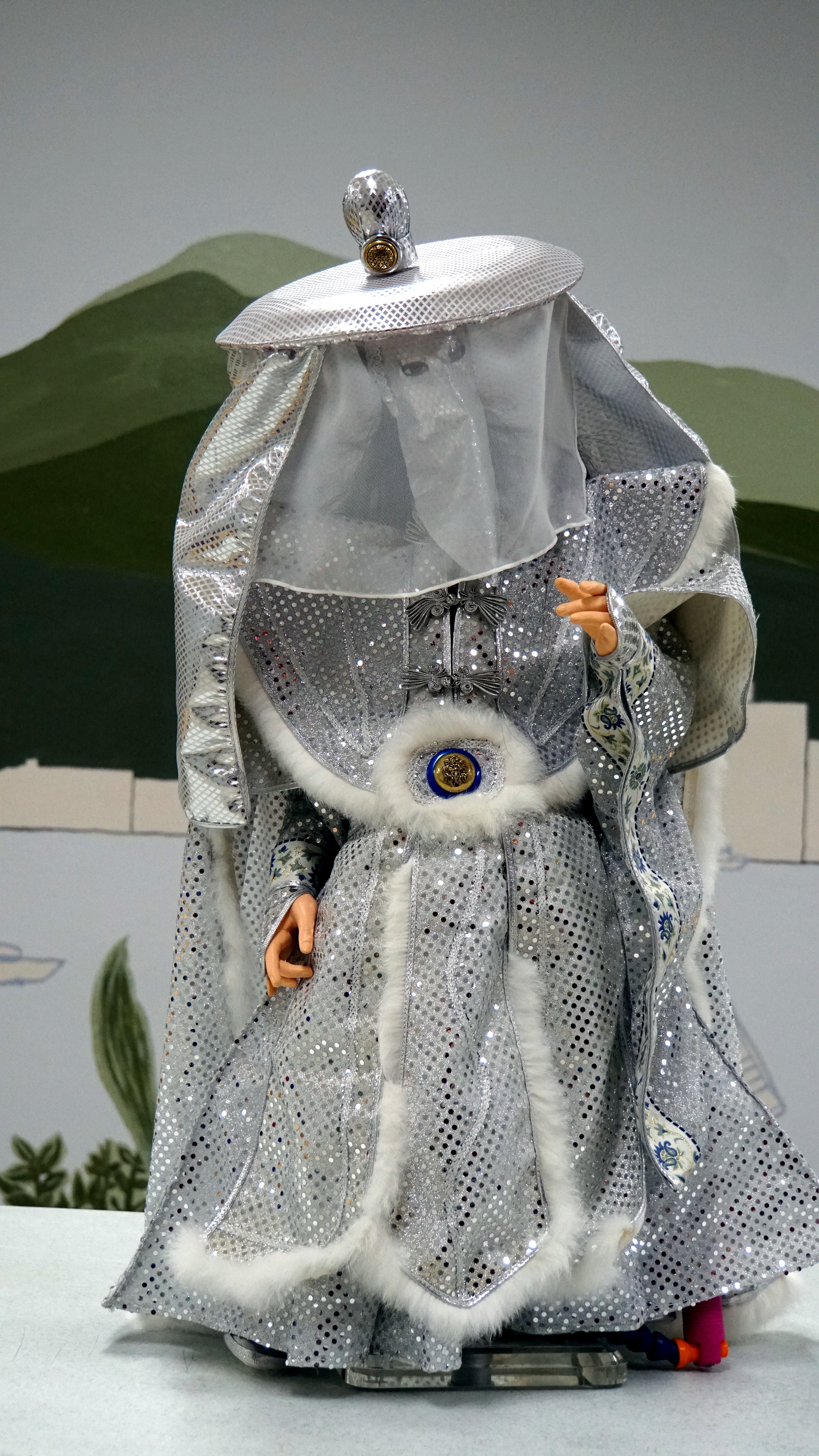
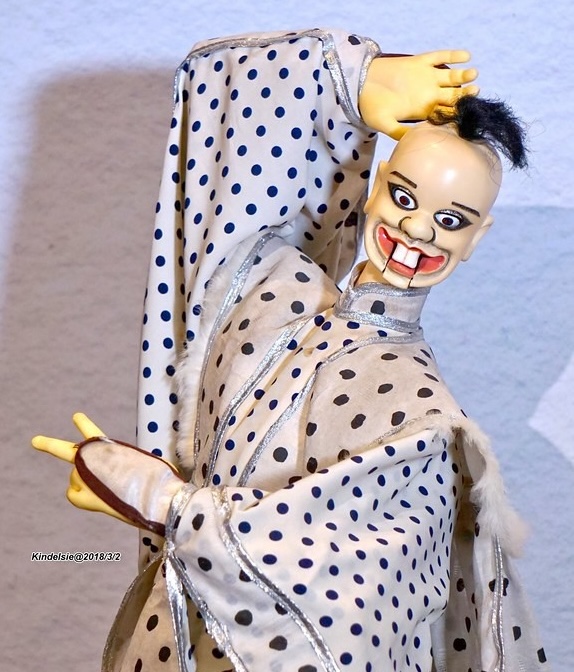
The puppets used in Chinese glove puppetry are usually made with wood or bamboo, cloth, and silk, then beaded and embroidered with intricate designs. Puppeteers control movable limbs using rods attached to the hands. Each puppet is carefully crafted to depict characters from Chinese mythology, folklore, literature, and history.
The frame of the puppet is often carved from a lightweight wood like basswood or bamboo, giving the puppet structure but also flexibility needed for manipulation. Silk or cotton fabrics then cover the wood frame. Next, the puppet’s clothing is dyed, and the artist paints elaborate facial features and accessories. All details are painted by hand, with close the attention to detail given in every brush stroke. Lastly, the puppets are adorned with beads, sequins, and other decorations.
The stories told through Chinese glove puppetry encompass a wide range of themes, including mythology, folklore, history, and morality tales. Well-known characters from Chinese literature and legend, such as the Monkey King from the classic novel “Journey to the West”; and legendary heroes like Guan Yu (關羽), often take center stage, captivating audiences with their heroic deeds and larger-than-life adventures.
Beyond entertainment, Chinese glove puppetry serves as a means of cultural preservation and transmission, passing down traditional stories, values, and artistic techniques from one generation to the next. Today, while facing challenges from modern forms of entertainment, Chinese glove puppetry continues to endure as a cherished cultural treasure, captivating audiences with its timeless charm and enduring appeal.

References:
Taiwanese Glove Puppets. Museum of Chinese in America. (2022b, May). https://www.mocanyc.org/collections/stories/taiwanese-glove-puppets-2022-005/
Shen, Y. (2022, March 21). Tradition in the palm of Your hand: Young performers preserve taiwanese bodehi glove puppetry. Smithsonian Center for Folklife and Cultural Heritage. https://folklife.si.edu/magazine/performers-preserve-taiwanese-bodehi-glove-puppetry
Crook, S. (2020, September 4). Highways & Byways: A (brief) exploration of Taiwan’s puppet traditions. Taipei Times. https://www.taipeitimes.com/News/feat/archives/2020/09/04/2003742781
The liveliness on fingertips – exhibition on the origin of Taiwanese glove puppetry. Taipei Puppet Theater. (n.d.). https://www.taipei-puppet.com/article_d.php?lang=en&tb=1&id=417
 Taiwan - The Virtual Museum